




A rich and vibrant region
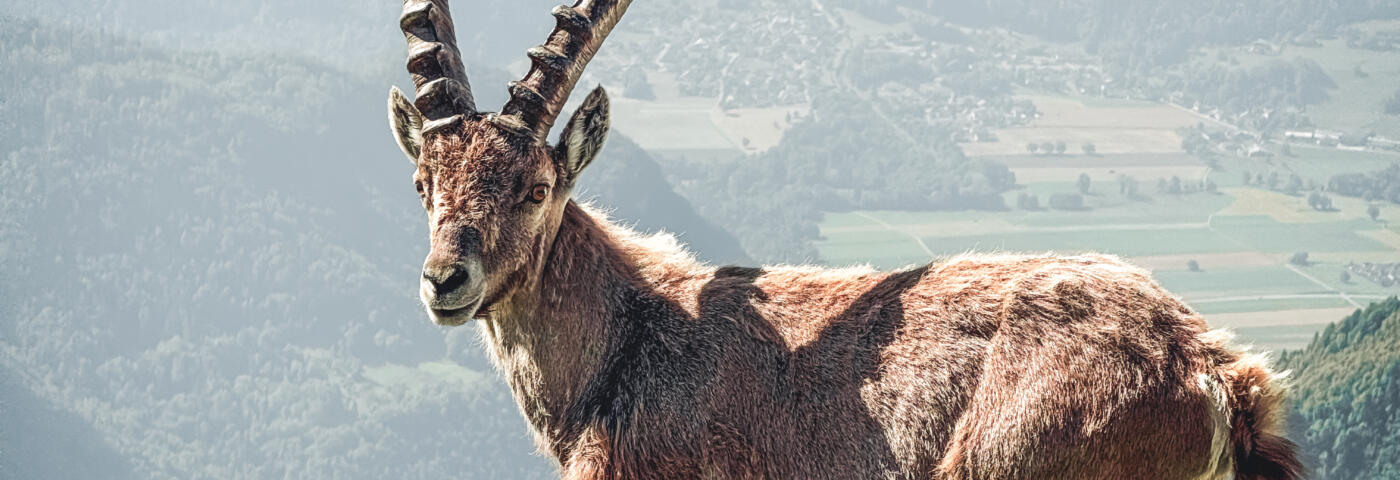
In La Clusaz, the mountains are not limited to ski slopes and picture-postcard landscapes. They are also a true haven of biodiversity, with over 1,700 species recorded in the area. This exceptional natural wealth is an integral part of the valley’s identity.
Faced with climate change and the pressures of tourism, the local council is committed to a sustainable development approach to protect its environment and biodiversity. The aim is simple: to preserve natural habitats for future generations.
Iconic Alpine wildlife
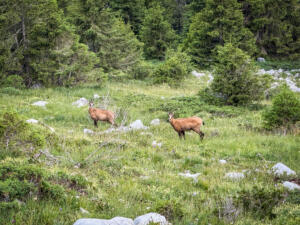
The wildlife of La Clusaz is typical of the French Alps. Whilst out walking, you may come across chamois, ibex, marmots, bats or even amphibians.
In the skies and forests, birds also play an important role, particularly the black grouse, an iconic yet fragile species that lives between wooded areas and snow-covered terrain.
Flora adapted to the mountains
The flora is also one of the commune’s treasures. Despite the cold, the wind and the sometimes extreme conditions at high altitude, certain plants have managed to adapt and survive.
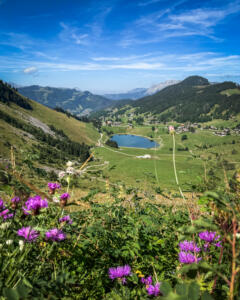
As the seasons change, the mountain pastures are covered in wildflowers, some of which have medicinal or culinary uses. Species typical of the Alps can also be found here, such as the round-leaved sundew, a small carnivorous plant found in certain wetlands.
The mountain pastures also play a vital role in this balance. Maintained for a long time through local farming practices, they help preserve open spaces and a rich plant biodiversity, which is part of the mountain’s identity.
Raising awareness and protecting nature
To help visitors better understand this environment, La Clusaz offers discovery and awareness-raising activities: nature walks, species observation, exploring wild plants… The aim is to learn to see the mountains in a new light and understand them better.
The richness of the flora and fauna depends on a delicate balance. This is why measures are being put in place to limit the impact of human activities, particularly in relation to transport, energy and water management.
Fragile biodiversity in the face of current challenges
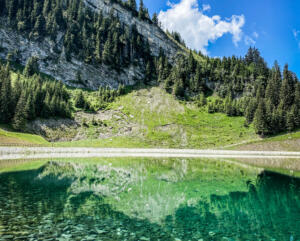
Today, this biodiversity remains fragile. Tourism development, certain infrastructure projects and climate change are disrupting natural habitats. With rising temperatures and declining snowfall, some species are struggling to adapt.
In the face of these challenges, the preservation of biodiversity is a priority. Natura 2000 protected areas have been established, in particular, to protect the black grouse and other sensitive species of both flora and fauna. Despite these measures, 81 species are now considered threatened within the municipality.
The municipality is also seeking to adapt its tourism model by diversifying activities, to better protect sensitive natural areas throughout the year.
Preserving biodiversity in La Clusaz means protecting a unique natural heritage, but also preserving the spirit of the mountains and the landscapes that have sustained the valley over time.