




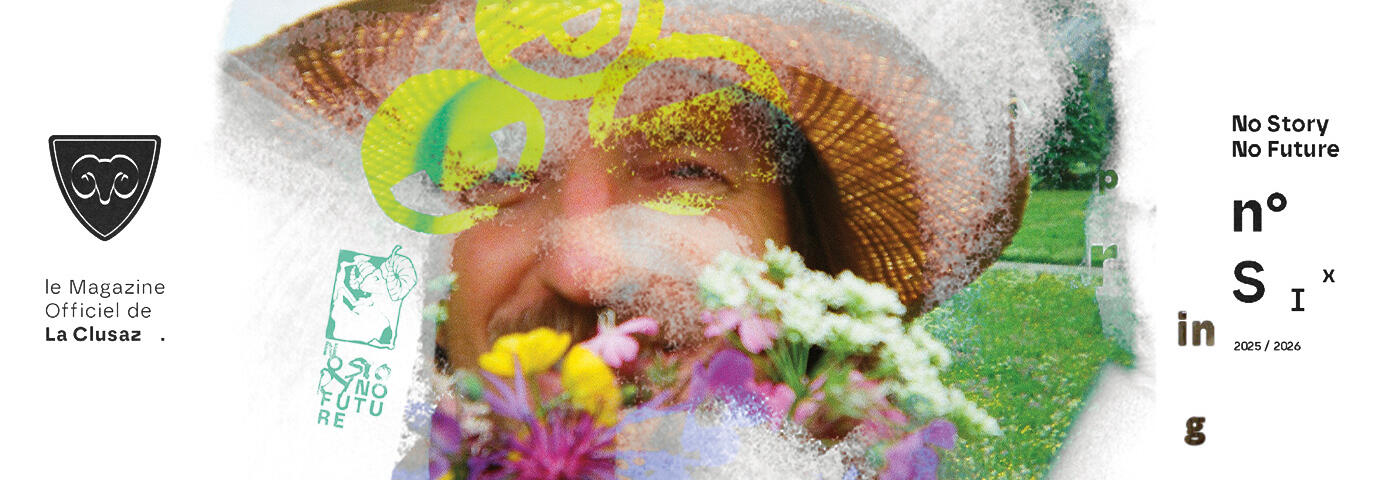
Bota’nico, a name that sums up a passion. The passion of a nature lover, rooted in La Clusaz, who brings plants and people, the seasons and flavours together. A simple, lively, grassroots philosophy driven by endless curiosity.
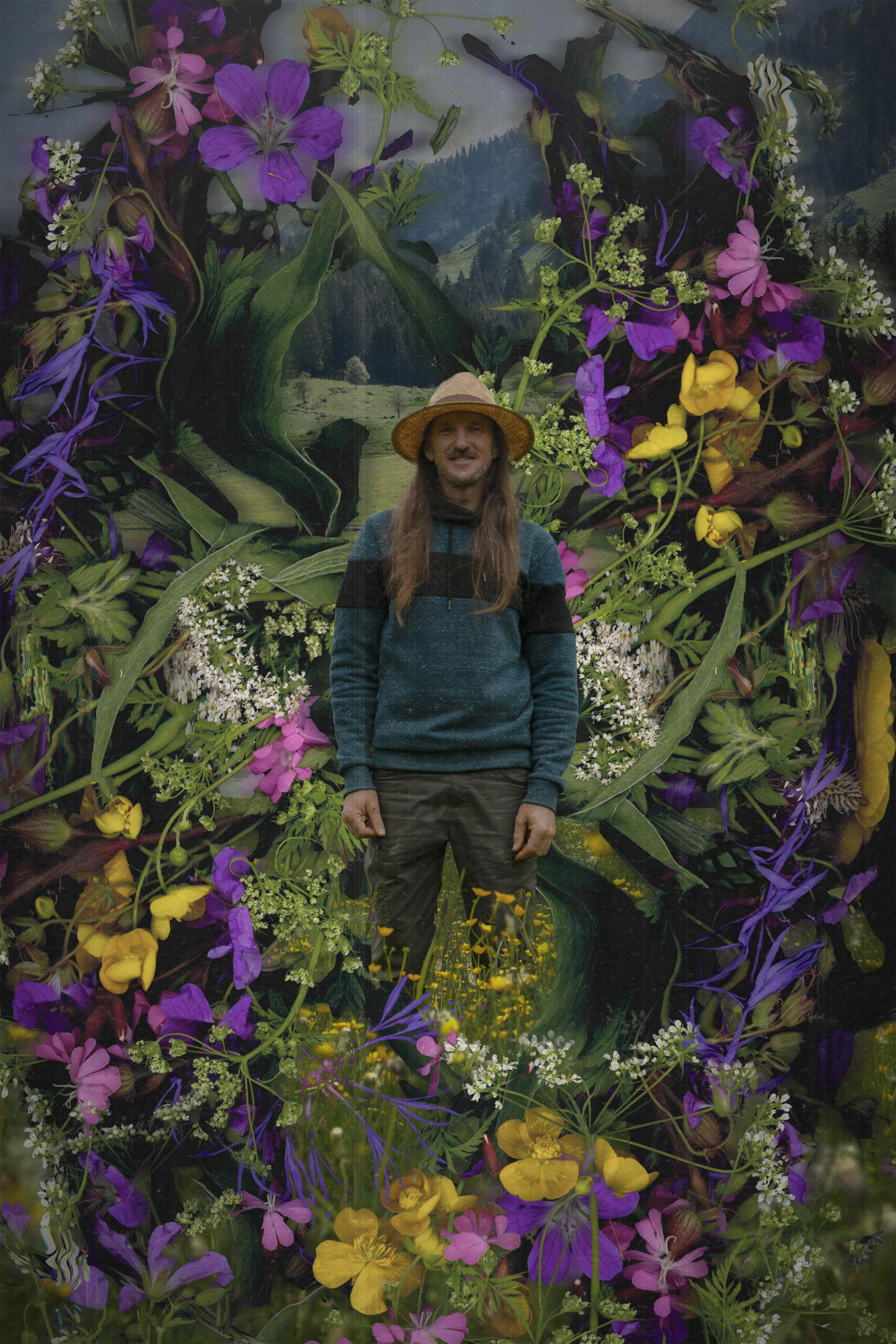
Who are you, Bota’nico ?
My name is Nicolas Collomb-Clerc. I’m from La Clusaz and I set up a micro-business focusing on plants five years ago. My passion for botany dates back to the spring of 2009, a time when I was doing seasonal work; I didn’t have a car and I walked to work every day. It just so happened that I was sharing a flat at the time and there was a book about plants on the coffee table in the lounge. And I started a kind of treasure hunt, looking up the plants I saw on my walks. As I discovered them one by one, I became fascinated by the little world of plants that surrounds us.
Do you know all the plants by heart ?
I’m still learning. Observing, identifying, comparing, it’s endless. There’s always a stem that surprises you. And above all, I share it with others. Botanical walks, cookery workshops… The aim is to make it all lively, funny and accessible.
So, can you tell us a bit about your job ?
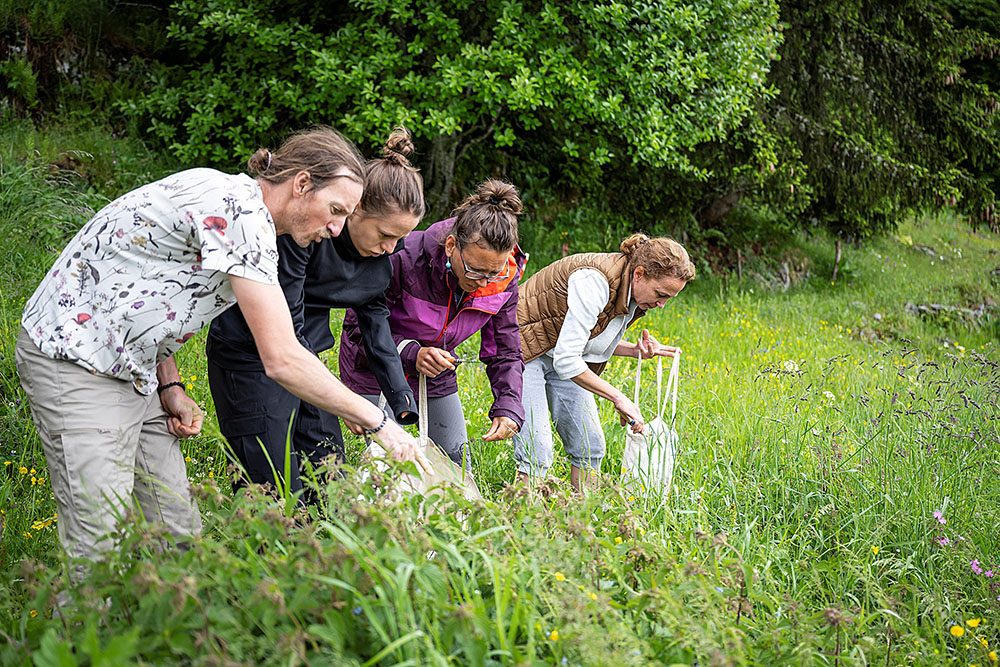
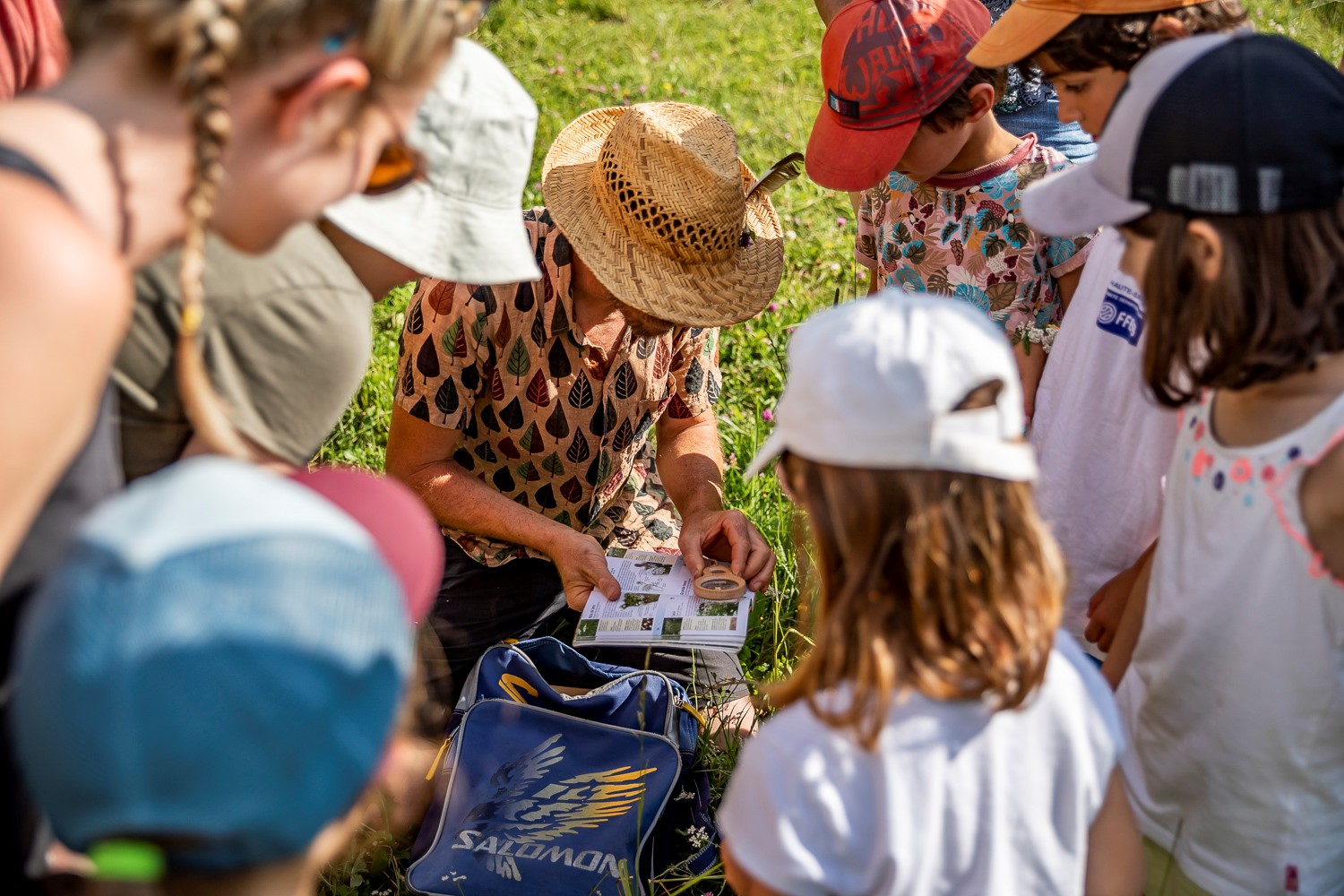
There are two distinct parts to my job. The first is botany, where I study plants. I read up on them in books, I go and observe their morphology and discover what the plant is like over the seasons. At first, I might just have the leaves, then the flowers, the seeds and so on. Therefore, I learn about every stage of a plant so I can identify it. And the second part, which I love, is sharing knowledge about nature through botanical walks, for example. We go out into the fields to observe the plants, to describe them, to discover their uses, their history, little anecdotes, because in the world of nature, there’s always something nice to tell.
Do you also run wild cookery workshops ?
Yes, and it’s nature that decides the menu. I’d say it’s the constraint of happiness. Depending on the season, we might make a pesto, a syrup or a herbal tea. From March to October, there’s always something to do. And even in winter, with spruce for example, you can make homemade syrups.
Can you tell us about plant-watching in La Clusaz ?
In La Clusaz, we’re lucky enough to have lots and lots of meadow flowers thanks to the pastures. From buttercups to dandelions, cornflowers, plantains, grasses… and then, there are forest environments where we find conifers and deciduous trees. We also have riversides with water plants, such as meadowsweet. Even though we’re at altitude, we have an incredible terrain to study.
Have you got any nice anecdotes about your budding botanists ?
The most surprising thing is when I get them to eat nettle leaves straight from the plant. There are brave ones and those who aren’t quite so brave, but who try anyway. You know, the nettle plant is unique and has a very strong, distinct taste. And as it’s a super-plant, it’s a super-food too.
Will you share your recipe for nettle soup with us ?
Easy: potatoes, onions… We cook them in water. And at the very end, we add the nettle leaves. Just for a minute. It retains all the nutrients. Then we mix it and season it… It’s a real treat. A soup with plenty of oomph.
What do you put in your salads ?
It depends on the day, it depends on the season. I often use small shoots of hogweed, ground elder or plantain herbs, but it depends. And then, a few little edible flower petals to brighten up salads – I like it all to be pretty and tasty.
Which plant is like you ?
Caraway. Small and discreet, but with a real punch. The seed is just a millimetre long, but it explodes in the mouth. I love its unexpectedness. And I still haven’t fully identified it in the field… It just goes to show, even familiar plants can keep their secrets.
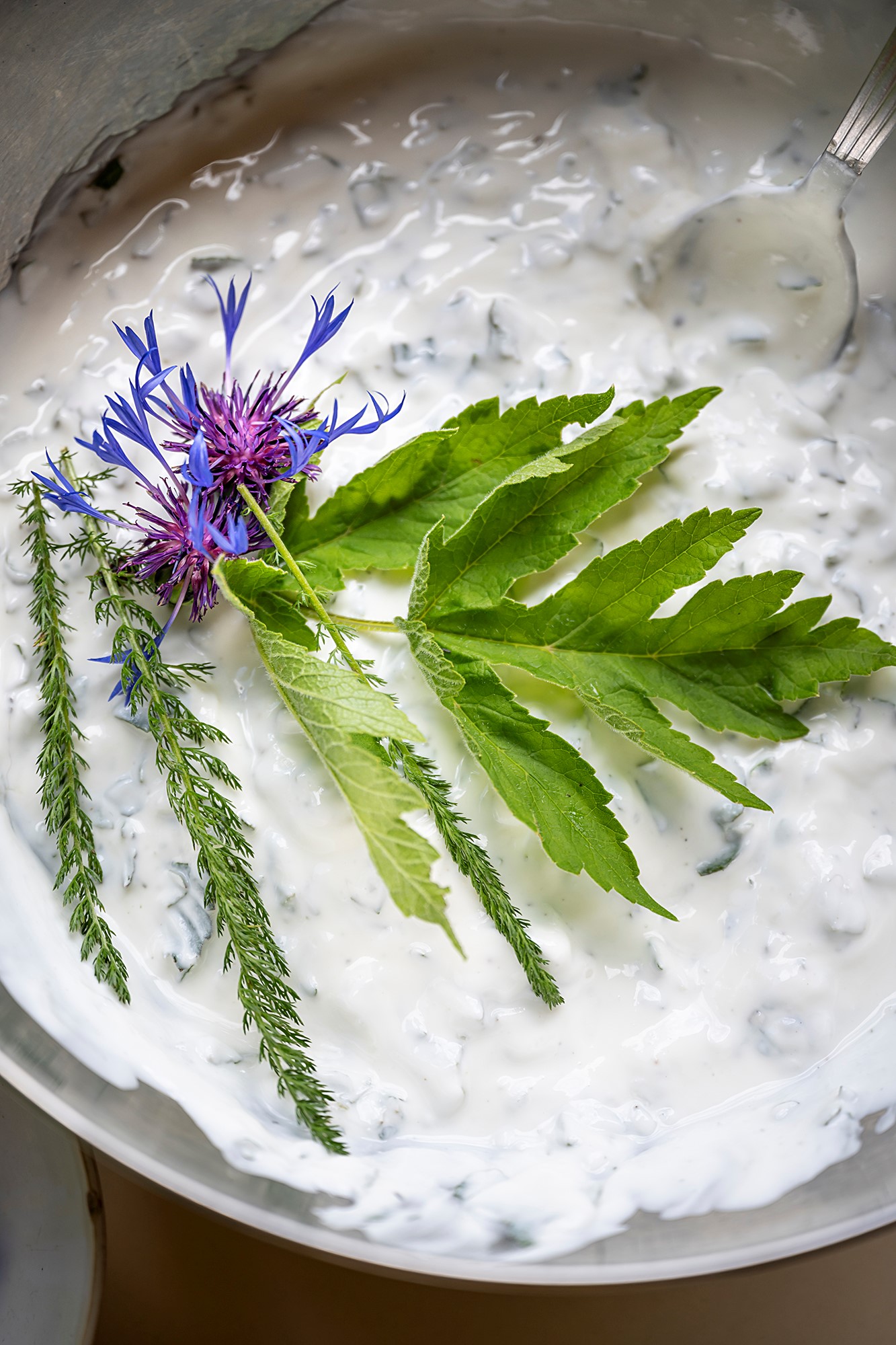
And are there any treasures in our own gardens ?
Of course! Our gardens are full of unsuspected treasures. In old kitchen gardens, you’ll find dead-nettle, purslane and galinsoga – which tastes like Jerusalem artichoke. In our lawns, there are dandelions (excellent for the liver) and red or white clover to brighten up a salad. A couple already asked me to come and ‘read’ their garden. We picked, cooked and ate together. And now they know what’s under their feet. A garden is a living book. You just have to learn how to read it.
What’s a common mistake we make ?
Wanting to do too much. Picking without understanding. Wasting. It’s our old consumer reflex: we take things, we throw them away. By picking, we’re already having an impact. So if we do it, it has to be fair, measured and respectful.
And what do we do best ?
This touches on my favourite subject. We look after ourselves. We feed ourselves. With a little, you never need a lot. Wild plants are super whole foods, never modified. They speak to our bodies which assimilate them very well, using them for prevention or for minor ailments and injuries.
Give us an example of how they can do us good ?
Plantain, a magical plant. Are you bleeding? It stops bleeding. Have you been stung by an insect? It provides relief. Have you got a blister? It soothes it. You crumple it up, apply it and it gets to work. And you can eat it! Its smells of the undergrowth, it tastes of mushrooms… It grows everywhere, all the time.
Any advice for future botanists ?
Start small. For example, with the book 300 plantes comestibles (300 edible plants), published by Delachaux et Niestlé. Simple, well written, perfect to put in your rucksack and go exploring. And above all: get out there, observe and learn.
Any last words ?
If we know about something, we can protect it better. Learning about plants also means learning to respect them. And if we can pass this on to others, then nature will never be a forgotten story.